Introduction
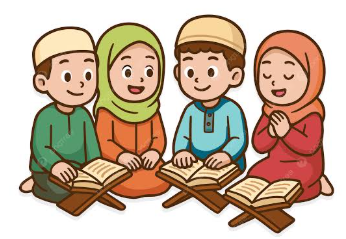
Islamic Studies is a subject that introduces pupils to the basic teachings, beliefs, values, and practices of Islam. At the Primary 1 level, pupils are introduced to simple knowledge about Allah, Prophet Muhammad (SAW), the Qur’an, Islamic worship, good manners, and peaceful living with others.
The subject helps children develop good character and understand how Muslims should behave at home, in school, and in the community. Pupils learn simple Islamic practices such as saying Bismillah before eating, greeting others with Assalamu Alaikum, praying, telling the truth, respecting parents and teachers, helping others, and keeping themselves and their surroundings clean.
Through Islamic Studies, pupils gradually develop love for Allah and His Messenger, respect for others, and an understanding of the importance of kindness, honesty, cleanliness, obedience, and peaceful coexistence. The subject therefore contributes to the moral, spiritual, social, and personal development of the child.
General Objectives
By the end of Primary 1, pupils should be able to:
- Know Allah as the Creator and understand some of His basic attributes.
- Identify Prophet Muhammad (SAW) as the Messenger of Allah.
- Recognise the Qur’an as the holy book of Islam.
- Demonstrate basic Islamic manners in their daily activities.
- Practise simple Islamic greetings, such as Assalamu Alaikum.
- Understand the importance of cleanliness in Islam.
- Identify and practise simple acts of worship, such as prayer and supplication.
- Show respect and obedience to parents, teachers, elders, and other people.
- Develop good moral qualities such as honesty, kindness, patience, forgiveness, and helpfulness.
- Understand the importance of peaceful living and good relationships with others.
- Recite simple Islamic phrases and short Qur’anic passages appropriate for their level.
- Develop love and respect for Islam, the Prophet Muhammad (SAW), and Islamic teachings.
- Apply basic Islamic teachings in their behaviour at home, in school, and in the community.
- Teacher: Nuhu Ishaya